
IP2 Network
In the modern world of hyper-connectivity, businesses, governments, and individuals are dependent on the use of advanced networking. Both streaming services and cloud platforms require intelligent infrastructure that is stable. The ip2 network is one of the emerging topics.
This network is an extension of the IP networking. It provides intelligent routing, greater security as well as scalable architecture. You are a business owner, a student, or a would-be network architect, and you are educated in the ip2 network, you can stay in the digital age.
This manual will demonstrate the operation of this network with respect to the old classic systems- statewide wide-area networks, metropolitan area networks, and even local LAN party configurations.
What Is an IP2 Network?
ip2 network is an IP model of the next generation, which combines smart routing, optimized bandwidth utilization, and multi-level security. It extends standard Internet Protocol systems with scalability, segmentation and accurate performance control.
This network as compared to the traditional networking where all the traffic is handled similarly, the ip2 network aims at intelligent traffic management, low-latency and smooth connections between LAN, MAN, and WLAN.
There are fundamental IP2 Network characteristics.
– Intelligent packet routing
– Intelligent bandwidth control.
– Improved information security integration.
– Multi-layer network division.
– Cloud‑native compatibility
– Software-defined networking (SDN) features.
The model is particularly effective with the enterprises that cut across cities or states.
Computer Network Architect Positioning in the IP2 Network Design.
An ip2 network architect will design and implement ip2 networks which are efficient, scalable and secure.
IP2 Network Deployment duties.
– Devising stacked network topology.
– Hardware (routers, firewalls, switches) selection.
– The use of IP addressing solutions.
– Security protocols configuration.
– Adopting cloud solutions.
– Tracking performance indicators.
The modern organizations require architects to chart these networks to the already existing legacy systems, statewide WANs, and metropolitan area model networks.
The IP2 Network integration with Local Area Network Party Environments.
A LAN party typically consists of a large number of PCs that share one LAN in order to play multiplayer games or share files.
The games that are popular in LAN parties are:
– Counter‑Strike
– Quake III Arena
– Call of Duty
Even though LAN parties are less complicated than corporate systems, ip2 can enhance them in the following ways:
– Reducing latency
– Optimizing bandwidth usage
– Improving peer to peer security.
– Handling heavy loads of traffic.
Even competitive games follow IP-based segmentation based on ip2 architecture in order to maintain the consistency of the game.
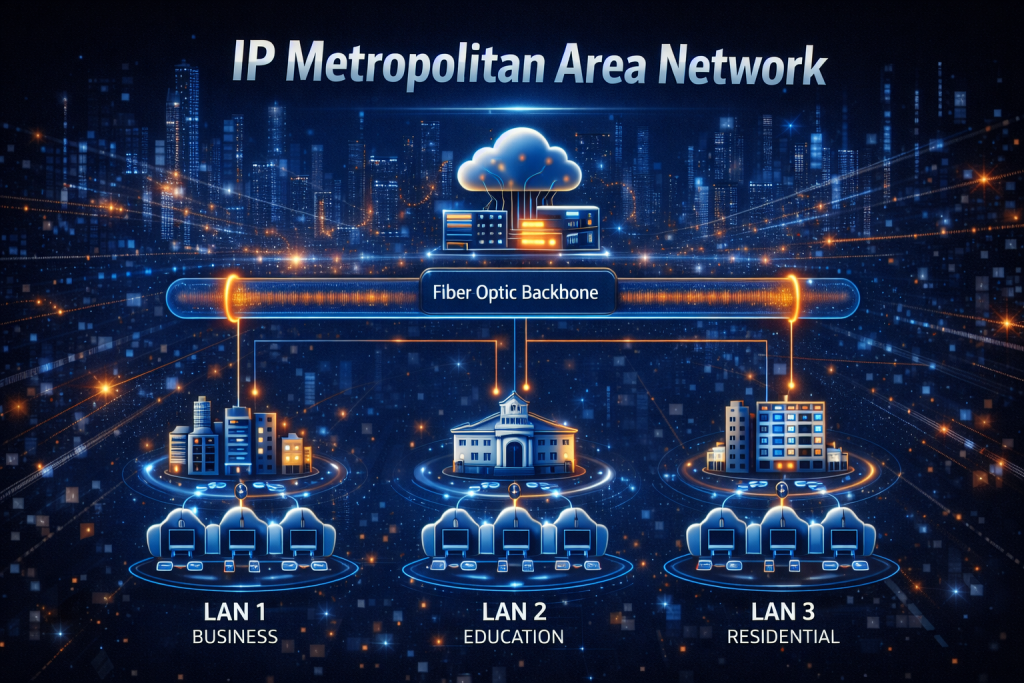
IP Metropolitan Area Network and IP2 Network
An IP Metropolitan Area Network (IPMAN) is an IP network that links up numerous LANs within a city or metropolitan area. It usually employs fiber-optic backbones and high capacity routers.
How IP2 Enhances IP MAN
This network enhances IP ip6 infrastructure by:
Dynamic routing algorithms
Intelligent load balancing
Secure data tunnels
All-time network administration.
In intelligent cities, the IP2 technology assists in controlling the traffic systems, public Wi-Fi system, surveillance systems, and emergency services using integrated IPMAN systems.
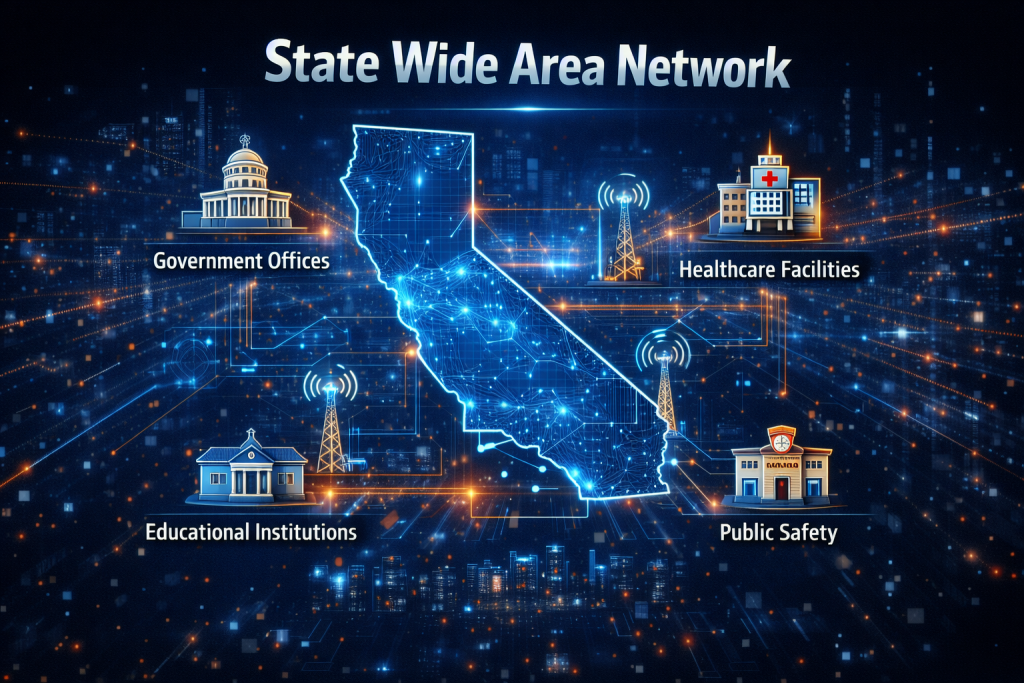
Evolution of State Wide Area Network and IP2 Network.
A State Wide Area Network (SWAN) is a network that links several cities, government offices and other public institutions in a state.
Swan Network Importance of IP2 Network.
All traditional WAN systems tend to experience:
High latency
Congestion
Security vulnerabilities
Difficulty scaling
The IP2 addresses these problems by:
Application of hierarchical routing.
Predicting traffic priority with AI.
Improving encryption layers.
The hybrid cloud systems are supported.
The use of state-wide area network infrastructure by the governments is increasingly being based on high-level IP based framework like that of IP2 to guarantee the security of the exchange of data amongst the departments.

IP2 Network Technical Architecture.
This network has a layered architecture:
Access Layer
Links terminals and devices of users.
Distribution Layer
Combines traffic of more than one LAN segment.
Core Layer
Processes high speed routing and data transfer.
Cloud Integration Layer
Coordinates SaaS, IaaS and PaaS consolidation.
It is a structured model that enables IP2 network systems to be seamlessly used to connect local area network party setups, IPMAN structures and state-wide area network environment.
Security in IP2 Network
IP2 network design entails security as a significant element.
- Advanced Security Features
- End‑to‑end encryption
- Intrusion detection systems (IDS)
- Zero‑trust architecture
- Network segmentation
- Firewall virtualization
A computer network architect has the responsibility of ensuring that the IP2 network systems meet the performance and global cybersecurity standards | NYT
Benefits of IP2 Network
High Scalability
Facilitates the expansion of small LANs to state scale network systems.
Smart and smart Traffic.
Sorts priority data automatically.
Low Latency
Perfect in gaming, video conferencing and cloud applications.
Enhanced Security
Guards information in IP MAN settings.
Cloud Compatibility
seamlessly integrates with the contemporary cloud ecosystems.
IP2 Network vs Traditional Networking
| Feature | Traditional Network | IP2 Network |
| Routing | Static/Dynamic | Intelligent Adaptive |
| Security | Perimeter-based | Zero-trust model |
| Scalability | Limited | Highly scalable |
| Cloud Support | Partial | Fully integrated |
| Performance Optimization | Manual | Automated |
This network is more flexible than legacy state -wide area network frameworks.
IP2 Network Enterprise Organization Applications in the Real World.
Firms that have branches in different cities use this network models in their network infrastructure of the metropolitan area.
Government Systems
This network improvements are beneficial on state-wide area network projects.
Educational Institutions
Segmentation of this network can help universities to improve research networks.
Gaming Events
IP2 based traffic optimization makes LAN party setups more efficient.
Career Openings in IP2 Network Field.
The number of professionals that are experienced in advanced networking is on the rise.
Roles Include:
- Computer Network Architect
- Network Security Engineer
- Cloud Network Specialist
- Infrastructure Analyst
- Systems Administrator
With the growth of the metropolitan area networks, and the upgrade of the state-wide area networks, IP2 network system expertise is of great value.
Future of IP2 Network
It is anticipated that this network can develop with:
- AI‑driven automation
- Quantum‑safe encryption
- Edge computing integration
- 5G and 6G compatibility
- Wireless infrastructure support.
With the development of smart cities, the metropolitan areas network systems will be more dependent on the IP2 network intelligence.
Learning to adopt IP2 Network in Businesses.
Assess your network
Recruit a skilled computer network architect.
Renovation of routers and switches.
Implement SDN solutions
Enhance the cybersecurity policies.
Integrate cloud platforms
Keep on optimizing and monitoring.
Interoperability with LANparty environment and large scale state-wide area network is guaranteed by adoption.
Difficulties in Implementing IP2 Network.
Although having some benefits, the implementation of IP2 network can encounter:
High initial cost
Need skilled professionals
Infrastructure upgrades
Incompatibility with old systems.
Nevertheless, short-term investments are not more important than long-term performance gains.
Final Words
The ip2 network is a radical leap in the modern networking systems, which readily break down the traditional boundaries that would otherwise isolate the small scale LAN infrastructures and the big picture state wide area network. This network creates a smooth pathway between localized connectivity and extensive digital ecosystems through the intelligence of routing, smart bandwidth control and sophisticated security protocols. It will ensure communication is timely, stable and safe regardless of the size or complexity of the network.
Respectively supporting a small scale localized network of gaming and teamwork or propelling a complete system of networks of a metropolis across a major city, this network provides unmatched scalability, enhanced cybersecurity, and superior performance. Its ability to prioritize the traffic, minimize latency, and integrate cloud technologies make it a strong platform towards the current digital transformation.
The future of this network systems is no longer an option to businesses, governments and future computer network architects; it is a strategic requirement when it comes to building infrastructures that are future-proof. With the ongoing development of such technologies as cloud computing, AI-based automation, and smart-city systems, this network architecture will take the center stage in guiding the effective transportation of data among cities, states, and digital ecosystems across the globe. Companies that invest in ip2 network solutions today are placing themselves at long term resilience, innovation as well as sustainable growth in an ever-wave world.
Queries
What is an IP2 network and why is it important?
This is a next-generation IP infrastructure that enhances traditional networking with intelligent routing, smart bandwidth allocation, and multi-layer security. It is important because it supports scalable systems from LAN setups to state wide area network environments.
How does a computer network architect design an IP2 network?
A computer network architect designs an IP2 network by creating layered topology, selecting routers and firewalls, implementing IP addressing strategies, and ensuring security compliance. They also integrate it with ip metropolitan area network and state wide area network systems.
How does IP2 network improve a local area network party?
In a local area network party, this network reduces latency, optimizes traffic flow, and improves peer-to-peer security. This ensures smoother multiplayer gaming and better handling of heavy data loads.
What is the difference between an IP metropolitan area network and a state wide area network?
An ip metropolitan area network connects LANs within a city using high-speed fiber links, while a state wide area network connects multiple cities and government institutions across an entire state, covering a much larger geographic area.
How does this network enhance state wide area network performance?
This network improves state wide area network systems through intelligent routing, AI-based traffic prioritization, stronger encryption, and seamless cloud integration, making large-scale networks more secure and efficient.
Can IP2 network integrate with existing LAN and WAN systems?
Yes, this network is designed to integrate with legacy LAN, ip metropolitan area network, and state wide area network infrastructures. It enhances performance without requiring complete system replacement.
What security features are included in an IP2 network?
This network includes end-to-end encryption, zero-trust architecture, intrusion detection systems, network segmentation, and firewall virtualization to protect data across small and large-scale networks.
Why is this network suitable for smart cities?
The IP2 network supports ip metropolitan area network systems used in smart cities by enabling intelligent traffic control, public Wi-Fi management, surveillance integration, and emergency communication systems.
What career opportunities are available in IP2 network infrastructure?
Professionals such as a computer network architect, network security engineer, cloud network specialist, and infrastructure analyst are in high demand as organizations upgrade metropolitan and state wide area network systems to IP2 models.
What are the main challenges in implementing an IP2 network?
Implementing this network may involve high initial investment, infrastructure upgrades, and the need for skilled professionals. However, long-term scalability and performance benefits outweigh these challenges.