
Diesel Engine Repair
Most modern vehicles such as trucks, buses, generators, farm machines among others run on diesel engines. They are effective, strong and durable. However, as any machine, they should be maintained and repaired in due time, whenever any issues appear. Being aware of the fundamentals of diesel engine repairs will enable the owners to ensure their engines are running smoothly and prevent expensive breakdowns.
This guide will also discuss the most common diesel issues, their maintenance, and alerts of possible signs that they should be repaired. We will also discuss the process of fixing engine problems, monitoring the level of oil, the time when it is better to visit a repair shop, and what one should do when the check-engine light is blinking.
These essentials are knowledgeable to drivers and operators who maintain their cars on the road serving many years.
Knowledge of the operation of the diesel engine.
It is a good idea to understand the operation of the engine before engaging in the task of repairing the diesel. The diesel engines do not have spark plugs, like the gasoline engines but rather compression ignition.
The compression of air to a high pressure inside the diesel cylinder increases its temperature. Upon the injection of diesel fuel on this hot air, it burns independently and generates power.
Such an arrangement renders diesel engines effective and mighty. Nevertheless, the fuel system and the high pressure are rather complicated, and thus appropriate maintenance is essential. Minor problems may result in significant fixes in the long run.
Obtaining the knowledge of the engine mechanism and performing routine maintenance can avoid numerous mechanical issues.

Normal Issues that may necessitate the repair of diesel engine.
Over time, engines wear out. Not all the problems are formed fast, some appear abruptly. Early symptoms can be identified and undue harm prevented as well as reducing the cost of repair.
Hard Starting
A common problem is that of starting trouble. When the engine does not start as quickly as it should, then there is a possibility of a failure in the glow plugs, fuel delivery or the battery. Early detection prevents the larger repair services in the future.
Excessive Exhaust Smoke
The exhaust smoke normally points to a combustion issue. Black smoke is usually an indication of excessive fuel consumption; blue smoke could be indicative of oil burning, and white smoke could be an incomplete combustion process or a leakage of the coolant. The color of smoke assists the technicians to diagnose the right problem.
Loss of Engine Power
When a car has difficulty accelerating or when it seems weaker, then there may be some issue with the turbo, injectors, or airflow. The rapid diagnosis enables efficient repairs.
Unusual Engine Noises
Rattling or knocking sounds should not be disregarded. They are able to indicate internal wear, improper injection time or lubrication. When detected at an early stage, repairs are simpler and damage is avoided.
How to fix Window Dressing Issues in a Diesel Engine.
Many drivers would like to know the way to correct diesel issues. Simple jobs can be completed at home, but professional assistance is required to perform a complicated job.
The initial one is an appropriate diagnosis. Mechanics check parts, check fuel systems and verify the error codes on the vehicle. Correct diagnosis means the correct repair measures.
Repair is done by cleaning or replacing injectors, repairing turbochargers, or changing fuel timing. These jobs are done safely by highly trained technicians who perform them with special tools and experience.
Periodical maintenance is also a significant factor in the prevention of severe problems.
Significance of Preventive Maintenance.
The most effective way of minimizing the frequency of repair is through routine checks. Diesel engines are highly pressured and hot, and thus good lubrication and cooling is essential.
Such maintenance activities as changing the oil, replacement of filters, and cooling system inspection are to be performed. Performing them on a regular basis reduces the chances of them being repaired at a high cost.
Maintenance will be skipped and this will result in blocked filters, worn out components and overheating. Such issues end up requiring massive repairs which would otherwise have been prevented.
Schedulers of the owners tend to experience fewer breakdowns and engine improvements.Checking Engine Oil the right way.
One of the few necessary but simple maintenance activities is learning to check engine oil. Engine oil lubricates internal parts and minimizes friction, as well as overheating.
To know how to check engine oil, one has to do the following steps:
- Pull the vehicle in a level place.
- Switch off the engine and allow it to cool.
- Dipstick is found in the engine compartment.
- Take off the dipstick, wiping it off.
- Insert again, pour it out to check the level of oil.
- Make sure that the level of oil is not too low or too high.
The correct method of checking engine oil on a regular basis can help to spot leaks or low lubrication before it occurs. Proper lubrication will help a lot to decrease the threat of severe diesel engine service.
HouseholdsWatch.com: Red Flags Your Engine might need a service.
The current car models have sophisticated sensors that check engine performance. In case of a problem, warning lights are produced on the dashboard.
Such warning lights are also good signs that the diesel engine might need to be repaired.
What does it mean when the engine light is blinking?
The question many drivers would want to know is what the blinking of the engine light is all about. A flickering light is normally indicative of a serious engine issue.
The common causes can be misfiring cylinders, fuel injection problems, or a very severe combustion problem. When you see a flashing light you might question yourself whether to proceed with driving or not.
In the majority of the cases, the blinking light means that the whatsoever was noticed requires immediate inspection. Ignoring the alarm may cause an additional damage to the engine and make diesel engine restoration more complex.
The knowledge of what engine light blinks mean will enable drivers to act fast and avoid serious failures.
The question of when to visit a diesel engine repair service.
Basic repairs can be performed by the owners, but more complicated mechanical issues should be taken up by professionals. A quality diesel engine service will have qualified technicians and tools.
Seek the services in case of any chronic warning signals, abnormal sounds, or excessive exhaust smoke. Professional technicians are able to detect issues faster and implement the required repair of a diesel engine.
Diagnostic scanners, pressure testing and sophisticated tools are used in professional workshops in order to identify faults exactly. Selecting a reputed repair service company will mean that repairs are properly done.

The Major Parts that are regularly repaired in diesel Engines.
During diesel engine repair, a number of engine parts might require to be attended to.
Fuel Injectors
High pressure diesel fuel is then sprayed in the combustion chamber by fuel injectors. Clogged or dirty injectors lead to low efficiency and lead to poor combustion. Yet, another diesel engine repair is cleaning or replacing them.
Turbocharger
Turbochargers are used to increase power by pushing in additional air into the cylinders. In case of a malfunction of a turbocharger, there is a significant decline in performance. Its replacement or repair might be required during the diesel engine repair.
Fuel Pump
The diesel fuel is pumped with the correct pressure by the fuel pump. A defective pump may lead to loss of power, or a stalling. Comprehensive checking aids in assisting the mechanics to carry out efficient diesel engine repairs.
Cooling System
Internal parts are destroyed by overheating. Another common reason for diesel engine repair is the failure of the cooling system.
The tips to prevent the maintenance of diesel engines.
Diesel engine repair may be used very often, which can be significantly lowered by preventative care. Car drivers can engage in some basic habits to maintain a healthy engine.
Regular Oil Changes
Oil is used to lubricate the parts, and it does not wear out the parts.
Replace Filters
Change the air and fuel filters following the manufacturer recommendations.
Use Quality Fuel
Combustion efficiency and reduction of deposits are enhanced by using high-quality diesel fuel.
Monitor Warning Lights
Repairs – overlooking warning lights may become big problems in repair.
Advantages of good engine maintenance.
Numerous advantages to proper maintenance are in addition to expensive repairs.
To start with, frequent servicing enhances fuel efficiency and engine performance. Well-oiled components ensure a smooth running of the vehicles.
Second, preventive care increases the life time of an engine and saves regular diesel engine repair. Modern engines that are properly maintained can become hundreds of thousands of kilometers.
Third, consistency helps in improving reliability. When the engines are in perfect shape, drivers are able to travel without any difficulties.
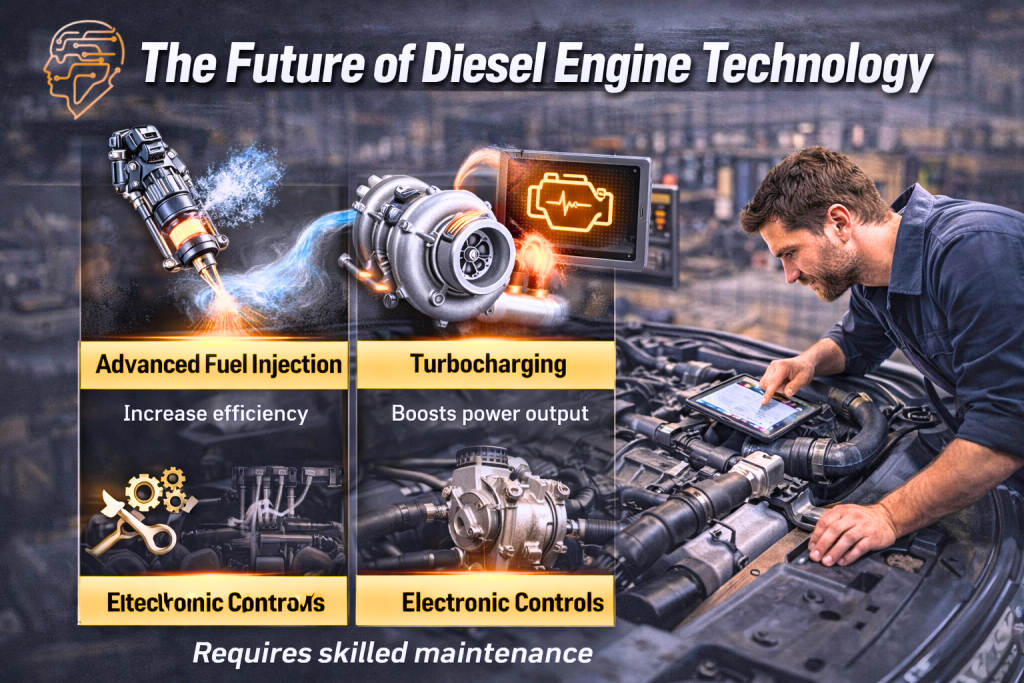
The Future of Diesel engine technology.
The diesel engines continue to evolve with new technology that enhances efficiency and reduces emissions. The current systems are characterized by the high level of fuel injection, turbocharging, and electronic control.
These inventions enhance work, yet they also require professional expertise on the maintenance of diesel engines. The technicians should be able to cope with new diagnostic tools and diesel engine repair techniques | Tomahawk Missile
With advancement in technology, it is important to have professional training in the diesel engine repair.
Conclusion
Diesel engines are still important in transportation, agriculture and industry because of their durability and efficiency. However, to be dependable, they need to be well maintained and attended to in time.
Knowing the basics of repairing a diesel engine will assist owners to identify the problem at its early stage and take necessary measures. Even basic routines such as checking oil, observing red flags such as a flickering light, and consulting the services of a professional eliminate critical breakdowns.
Regular servicing and diesel engine repairs can increase its life and keep it performing. When well maintained, major repair of a diesel engine is reduced and thus the vehicles and equipment run smoothly over the years.
Queries
What is diesel engine repair?
Diesel engine repair is the process of diagnosing and fixing mechanical or performance problems in diesel-powered engines. It includes repairing parts such as fuel injectors, turbochargers, fuel pumps, and cooling systems. Proper diesel engine repair helps maintain engine efficiency, improve performance, and prevent costly breakdowns.
When should you consider diesel engine repair?
You should consider diesel engine repair when your vehicle shows signs such as difficulty starting, excessive exhaust smoke, unusual engine noises, or loss of power. Addressing these problems early through diesel engine repair prevents further damage and keeps the engine running smoothly.
What are the common signs that your diesel engine needs repair?
Common signs that indicate the need for diesel engine repair include poor fuel efficiency, engine overheating, knocking sounds, and warning lights on the dashboard. Ignoring these symptoms can lead to more serious mechanical failures requiring extensive diesel engine repair.
How does fixing diesel engine problems improve performance?
Fixing diesel engine issues improves combustion efficiency, restores engine power, and reduces fuel consumption. Proper maintenance and fixing diesel engine problems early also increase engine lifespan and ensure reliable vehicle operation.
How to check engine oil in a diesel engine?
Learning how to check engine oil is essential for proper engine maintenance. Park the vehicle on a flat surface, turn off the engine, and remove the dipstick. Wipe it clean, insert it again, and pull it out to check the oil level. Knowing how to check engine oil regularly helps maintain proper lubrication and prevent engine damage.
What does it mean when engine light blinks?
Many drivers ask what it means when engine light blinks on the dashboard. A blinking engine light usually indicates a serious problem such as engine misfire, fuel injection issues, or severe combustion failure. Understanding the term “what does it mean when engine light blinks” helps drivers take immediate action to avoid engine damage.
When should you visit a diesel engine repair service?
You should visit a diesel engine repair service if your vehicle shows warning lights, excessive smoke, power loss, or unusual noises. A professional diesel engine repair service has the tools and expertise needed to diagnose and repair complex engine problems safely.
Why is regular diesel engine repair important for heavy vehicles?
Heavy vehicles such as trucks and buses operate under extreme conditions. Regular diesel engine repair ensures that components like injectors, turbochargers, and cooling systems function properly. Routine diesel engine repair also prevents unexpected breakdowns during long journeys.
Can preventive maintenance reduce diesel engine repair costs?
Yes, preventive maintenance can significantly reduce diesel engine repair costs. Regular oil changes, filter replacements, and timely inspections help identify small issues early. This reduces the likelihood of major diesel engine repair expenses in the future.
What services are included in diesel engine repair?
Typical diesel engine repair services include injector cleaning, turbocharger repair, fuel pump inspection, cooling system maintenance, and engine diagnostics. These services ensure that the engine operates efficiently and remains reliable for long-term use.